WHAT IT IS
A pre-roost display
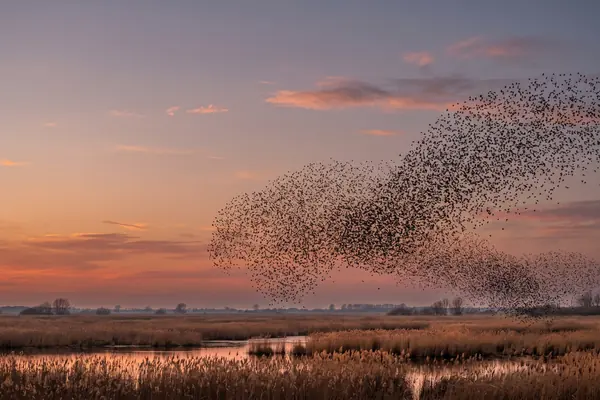
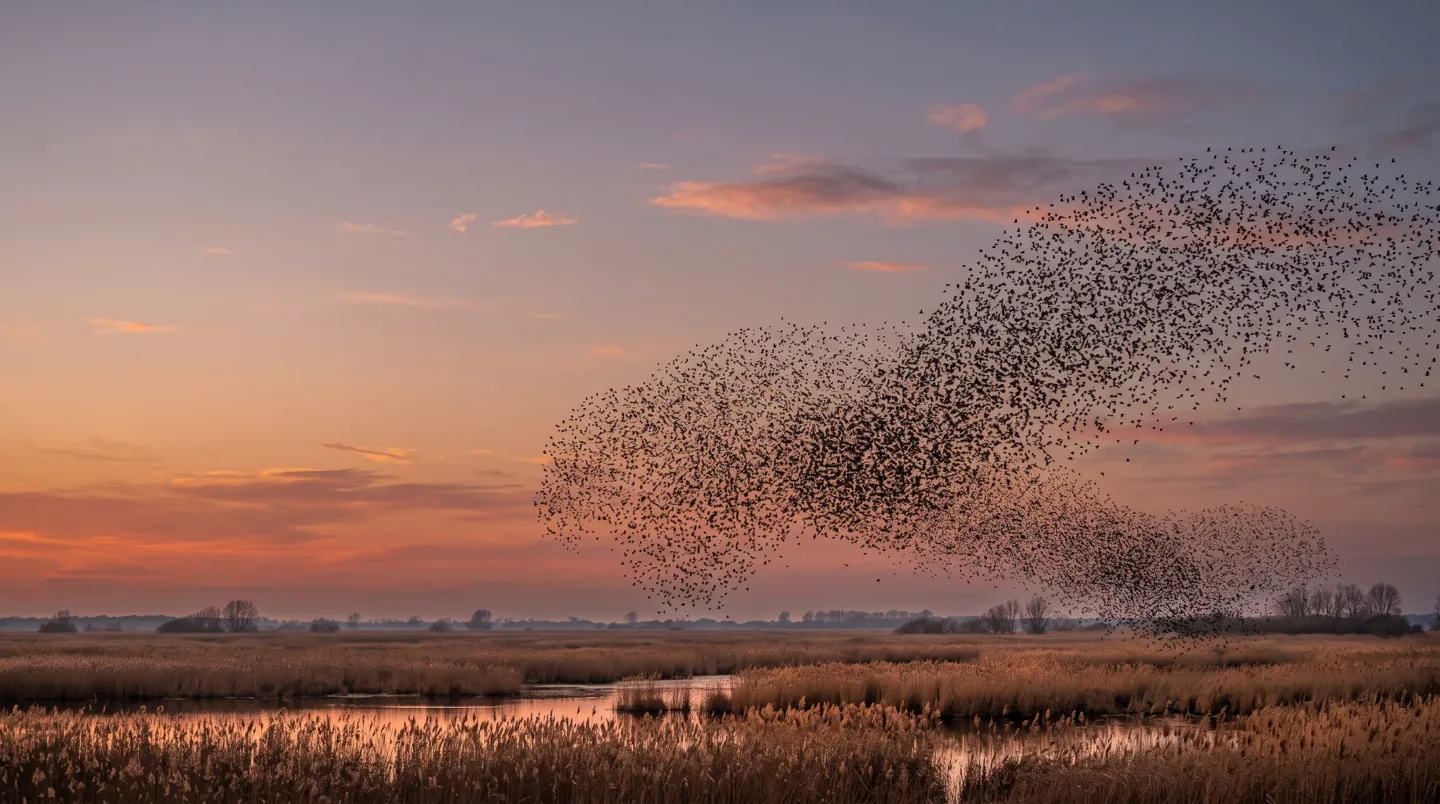
Murmurations happen typically at sunset, with the flock wheeling over the roost before the birds descend together for the night.
Read the signs dotf
AN INFORMATIONAL GUIDE: DANCE OF THE FLOCK
At dusk in winter, the sky fills with starlings.
DUSK November to February
≈ 30,000 Average number of birds in a murmuration
DOTF here stands for dance of the flock: this is an independent informational guide, not an organisation. It explains starling murmurations, the swirling pre-roost displays that once made people think the birds could read each other's minds.
THE SHORT ANSWER
A 2017 study used more than 3,000 sightings
sent in by members of the public.
WHAT IT IS
Murmurations happen typically at sunset, with the flock wheeling over the roost before the birds descend together for the night.
Read the signsWHY
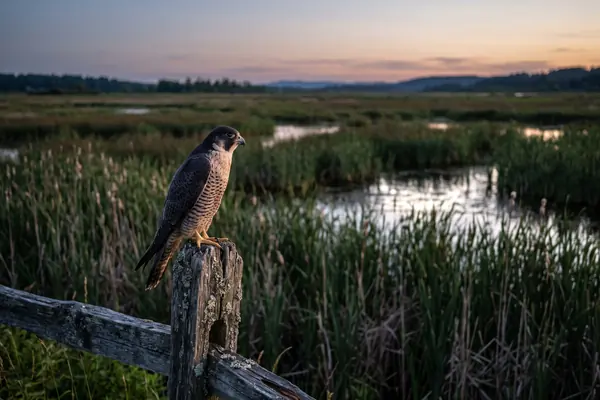
Goodenough and colleagues found displays were bigger and longer when birds of prey were present, supporting an anti-predator explanation over keeping warm.
See the numbersTHE BIRD
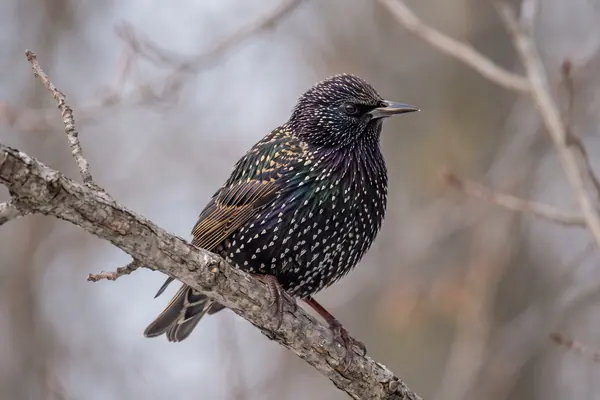
The RSPB says starlings declined by 57% between 1995 and 2023 and are now on the Red List of birds of high conservation concern.
How to see oneREAD THE SIGNS
Pick what you notice. The bar shows how strongly the 2017 citizen-science study linked it to bigger or longer displays.
Based on Goodenough et al. (2017), PLoS ONE, using murmuration records from 2014 to 2016. Patterns are averages, not predictions for any one evening.
FOUR TIPS FOR WATCHING
Drawn from RSPB guidance on starlings and murmurations.
The RSPB says murmurations start from November and can last through to February, when migrant starlings return to Scandinavia.
Head for large roost sites such as reedbeds, piers and coastal marshes, and check recent sightings before you go.
Displays usually happen at dusk, just before the birds settle to roost for the night.
The word murmuration comes from the sound of thousands of wingbeats, which the RSPB likens to crashing waves.
TWO NUMBERS WORTH KNOWING
Both figures come from the 2017 study's
3,000-plus murmuration records.
≈ 30,000
Average number of birds in a murmuration
The overall mean was 30,082 birds, with a maximum of 750,000. Birds of prey were recorded at 29.6% of murmurations.
FLOCK SIZE · PLOS ONE
26 minutes
Average length of a UK murmuration
UK displays lasted longer than those reported from other countries, which averaged 18 minutes.
DURATION · PLOS ONE
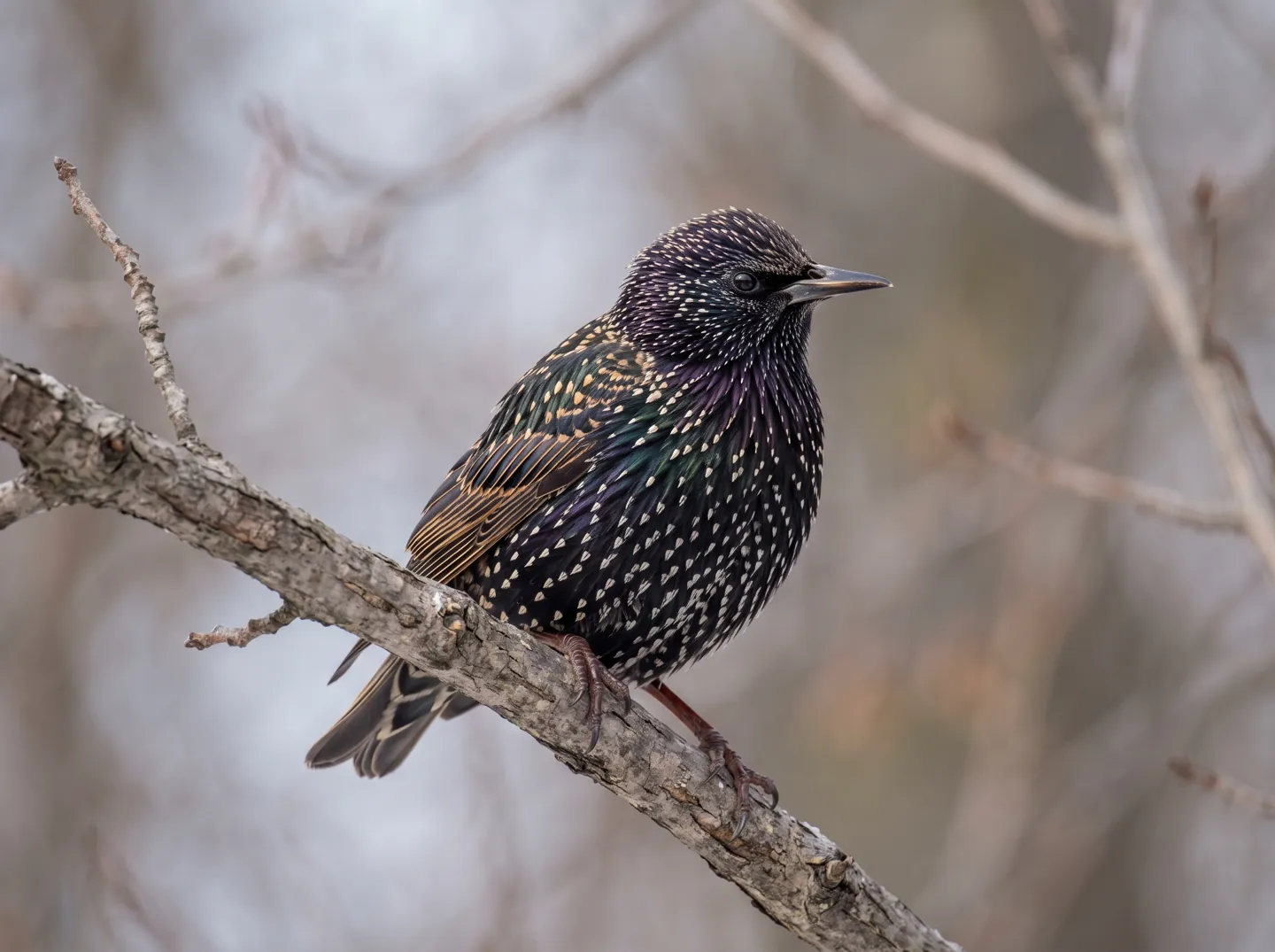
The RSPB says scientists once thought starlings must be psychic; it now explains the synchrony by lightning-fast reactions that let each bird mirror the flight of those around it.
HELPING STARLINGS
A huge murmuration can hide a shrinking population. The RSPB lists starlings as Red-listed in the UK, and suggests simple garden help: short grass for feeding, fresh water and a nest box.
For nest boxes the RSPB recommends a 45mm entrance hole, the ideal size for starlings.
QUESTIONS PEOPLE ASK
On this site it stands for dance of the flock. This is an independent informational guide about starling murmurations, not an organisation or club.
The 2017 citizen-science study found displays were bigger and longer when birds of prey were around, suggesting they are mainly an anti-predator behaviour rather than a way to gather a warmer roost.
The RSPB says from November to February, at dusk. The 2017 study found flocks were largest from October to early February.
The RSPB says they have lightning-fast reaction speeds that let them mirror the flight path of the birds around them.
They are on the UK Red List of high conservation concern. The RSPB says numbers fell by 57% between 1995 and 2023.
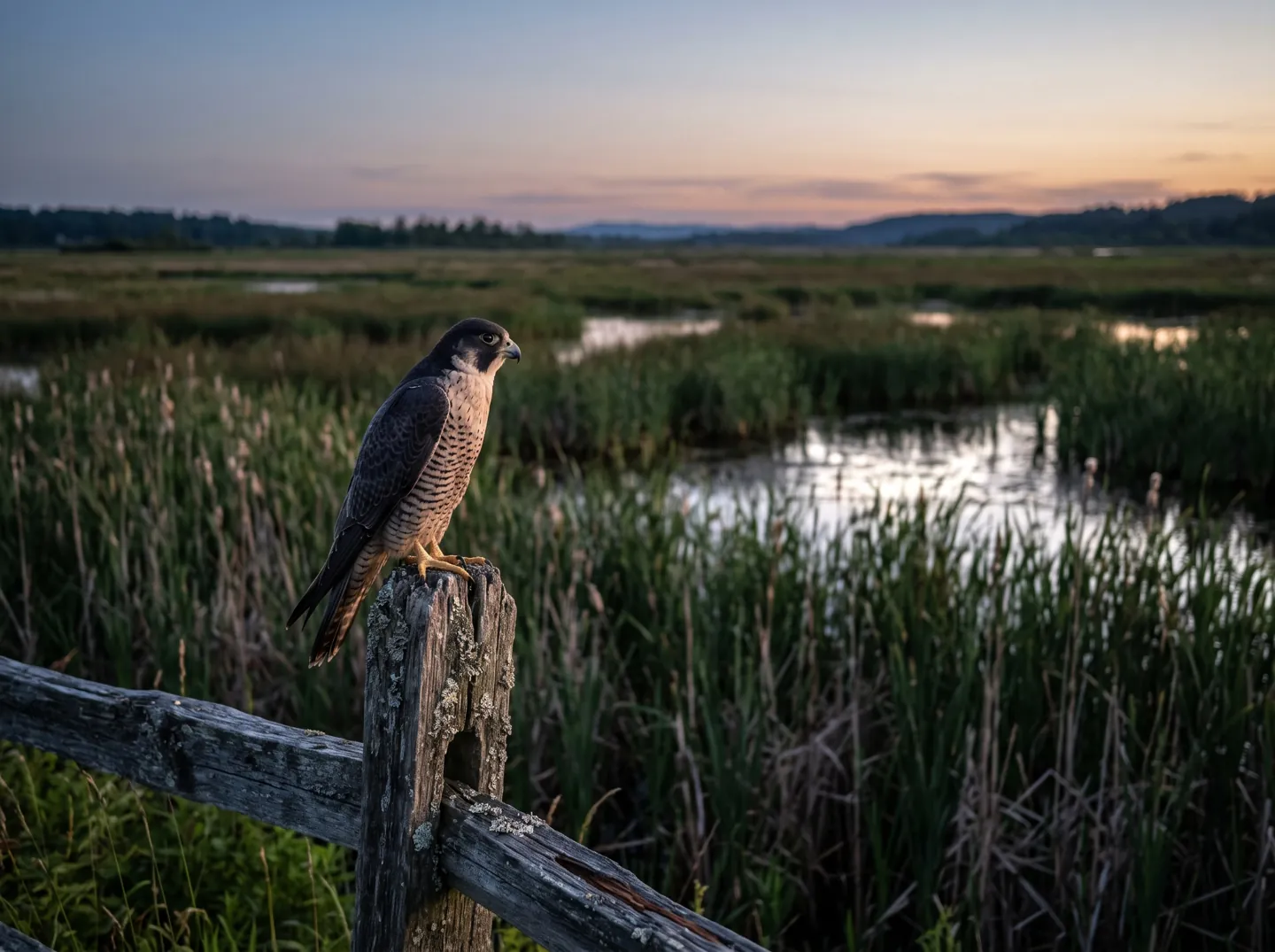
The 2017 study recorded birds of prey at 29.6% of murmurations, including harriers, peregrines and sparrowhawks. Their presence went with bigger and longer displays, especially when they flew near the starlings or actively went after them, and murmurations with predators were more likely to end with the whole flock dropping into the roost at once rather than dispersing.
Habitat made little difference: murmurations happened over a range of habitats with no link to size or duration. Day length mattered more. Displays were longest at the start and end of the season, probably because of day length, and temperature had a much weaker effect than day length. Sightings came from 23 countries, mostly the UK.
Updated
ABOUT THIS NAME
dotf.us is part of the DoodleSale portfolio. It isn't in an auction right now, but you can ask about leasing it.